
Epilepsy Is Not a Curse: Myths, Stigma and the Science We Must Understand - Dr Sreelakshmi N
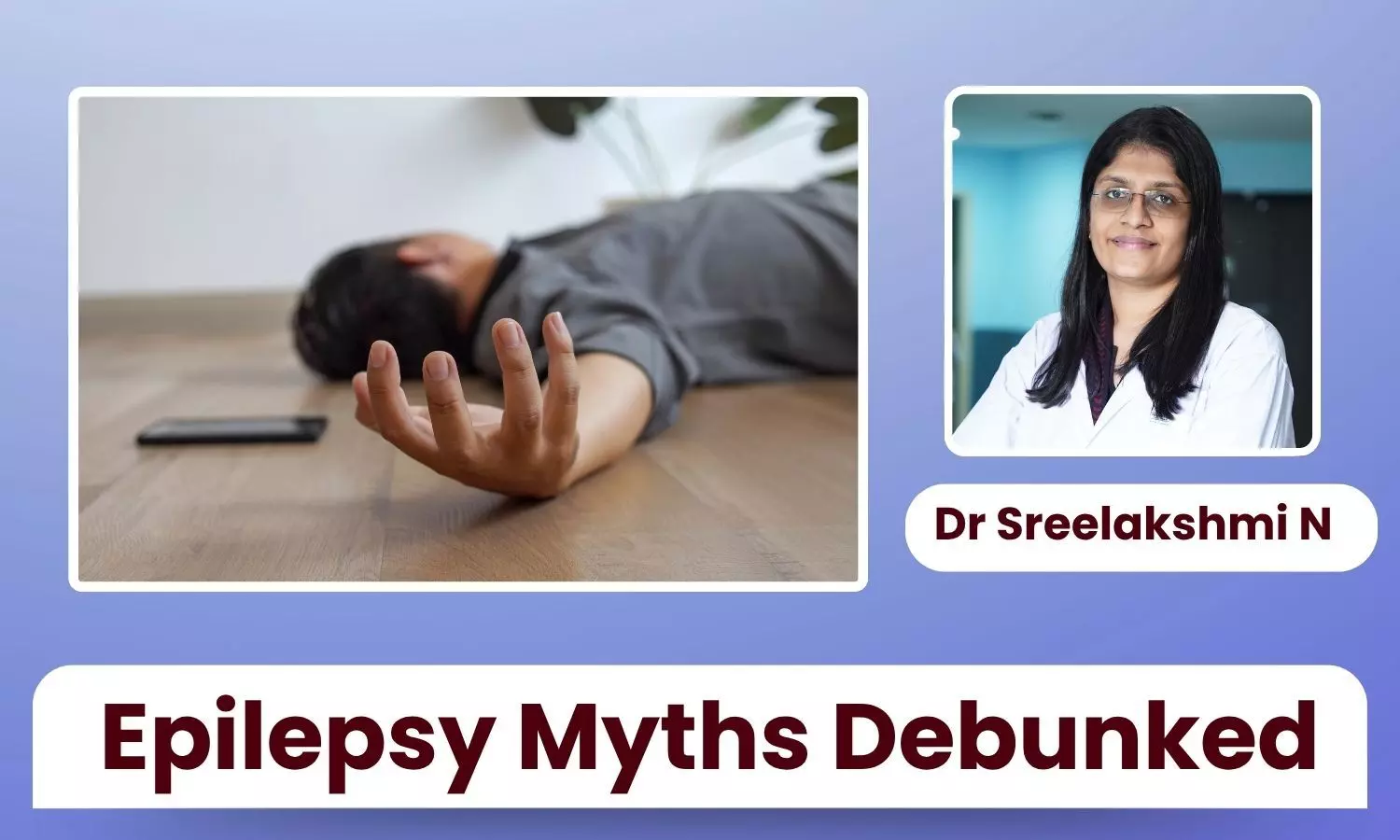
Epilepsy is a common neurological disease affecting millions worldwide. It is often clouded by misinformation, fear, and stigma. These problems not only alienate people living with epilepsy but also cause delays in diagnosis and treatment.
Seizures or Fits occur when there are excessive electrical discharges in the brain, leading to various symptoms. When the brain tends to produce recurrent unprovoked seizures, it is called epilepsy.
The symptoms of Epilepsy can range from stiffening/ jerking of limbs with tongue biting to mild staring spells, which can be mistaken for inattentiveness.
Seizures can occur due to metabolic issues ( low sodium, calcium, blood sugar increased urea), genetic factors and irritation of brain due to any cause like a bleed, tumour or any lesion in the brain.
Almost 70% of epilepsy cases are medically treatable. The remaining 30% do not respond to medications and are termed drug-refractory epilepsy. For these individuals, surgical therapies now offer a safe and effective cure. Dietary treatments such as the ketogenic diet may help in certain types of epilepsy. The
diagnosis of epilepsy starts with a detailed medical history and clinical assessment. Video Electroencephalogram (EEG) is a simple and painless test that tells us about the electrical activity of brain. We may need blood investigation, imaging with CT or MRI of brain to aid in diagnosis.
Epilepsy can be very well managed with the right medications, a good lifestyle and strong support systems.
Epilepsy is not a curse; it is a medical issue that requires our understanding, care, and informed action.
As a society, people living with epilepsy should be seen not for their disease but for their talents, strengths, and contributions.
Disclaimer: The views expressed in this article are of the author and not of Health Dialogues. The Editorial/Content team of Health Dialogues has not contributed to the writing/editing/packaging of this article.
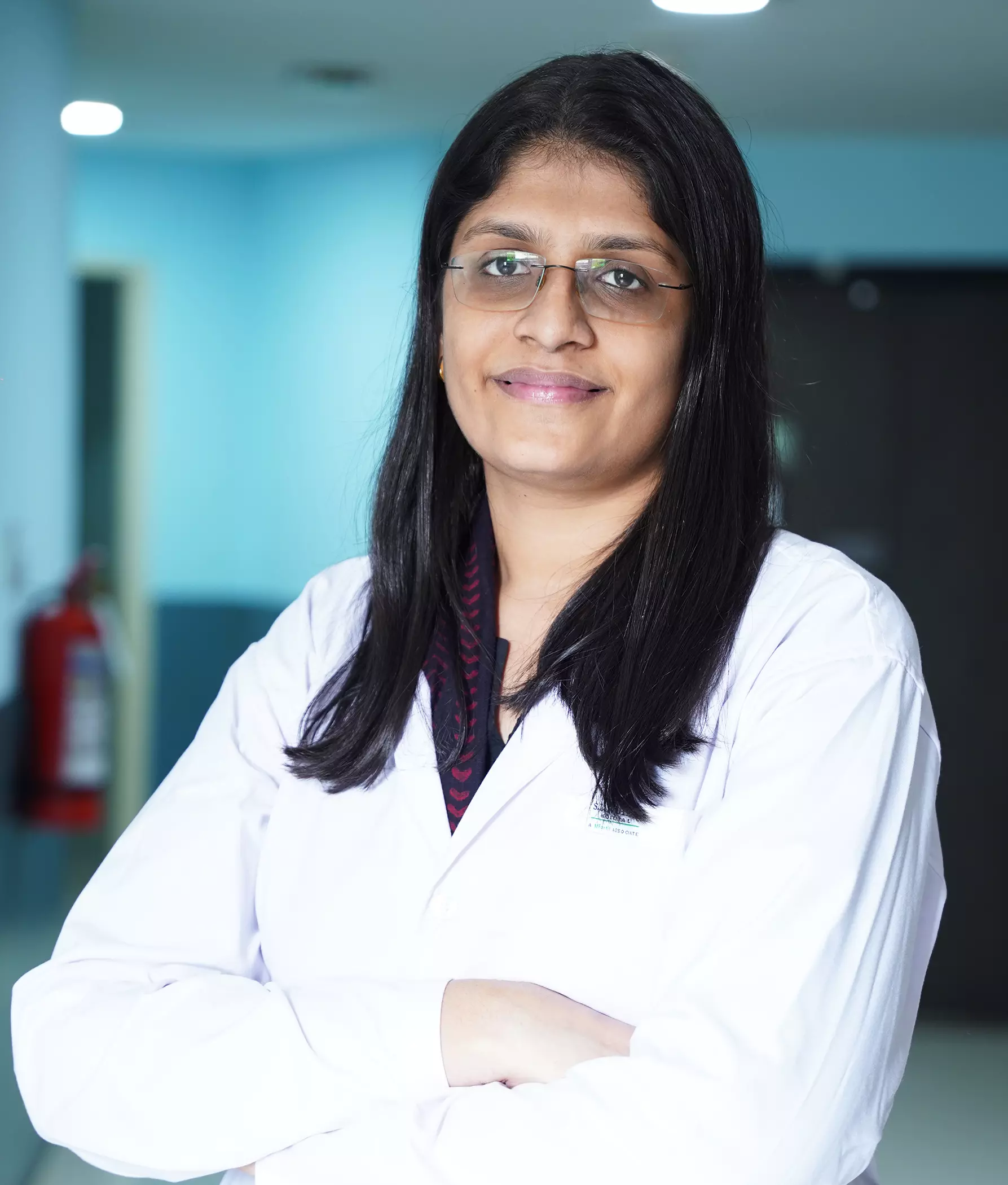
Dr Sreelakshmi N is a visiting Consultant Neurologist and Epileptologist at Fortis Hospital Kalyan, Mumbai, with over 8 years of clinical experience in managing a wide spectrum of neurological disorders. She brings a strong academic foundation and hands-on expertise in advanced neurodiagnostics and epilepsy care. After completing her postgraduate training (DNB) from the National Board of Examinations, she pursued DM in Neurology from the esteemed Amrita Institute of Medical Sciences, Kochi. She further specialised in epilepsy by completing a Post-Doctoral Fellowship (PDF) in Epilepsy, focusing on the evaluation and management of complex and drug-resistant epilepsy cases. Dr Sreelakshmi is highly skilled in neurodiagnostic tools such as long-term video EEG monitoring, intraoperative electrocorticography, and stereo-EEG, allowing for accurate diagnosis and individualised treatment strategies.